History
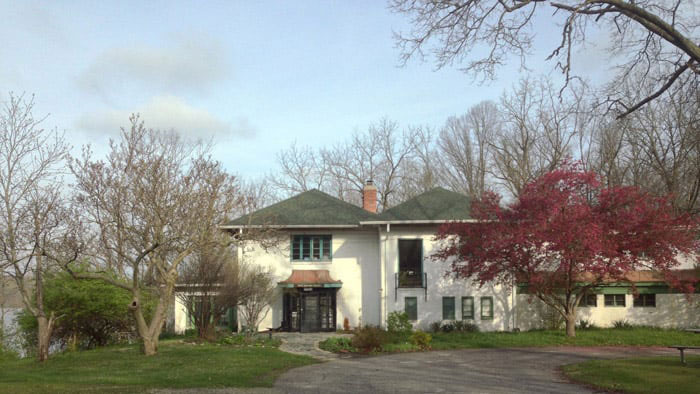
Peace Learning Center Building

The Beginning

Peace Learning Center started in 1997 as an initiative to help young people learn peacemaking and nonviolence. Nestled in the woods overlooking the water at Eagle Creek Park, PLC began as an AmeriCorps program of the Marion County Family Advocacy Center and evolved into a full-service educational hub for individual and community change.

In the first year, over 3,200 Indianapolis Public School 4th graders from 55 schools completed a visit and follow-up lessons on peacemaking. In 1999, PLC became an independent nonprofit expanding to serve young people in schools, at an overnight Peace Camp in southern Indiana, after school programs, summer camps, and other community sites.

Young people urged PLC to expand to adults because, “if our parents and teachers don’t know conflict resolution how are we supposed to do it?” Within that we saw the need to focus support on adult change makers and gatekeepers in organizations to help support larger institutional change. Out of this grew professional development for teachers and school staff, as well as more work with community and business organizations.

Since PLC’s beginning, more than 300,000 people have participated in Central Indiana with our programs expanding throughout the state, country and world, though our main focus continues to be Indianapolis and the surrounding areas.

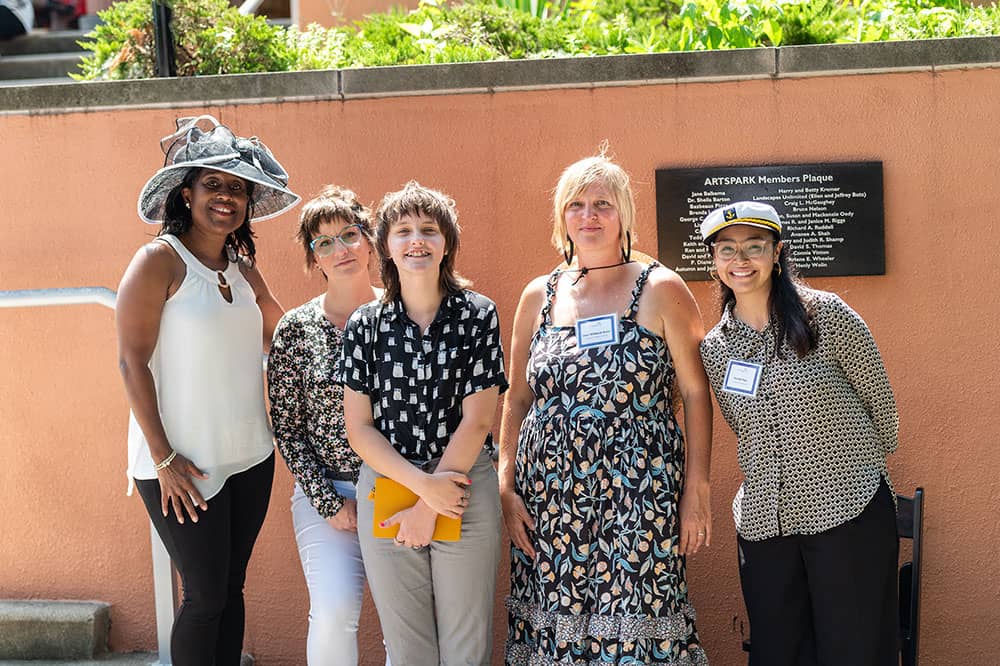
Group of women standing outside smiling at camera.

With input from youth and larger community, our programs evolved into three pillars of peacemaking programming that support each other for a holistic approach:

Peace Learning Center

Wellness Skill Building

All of us must develop skills to build positive and healthy lives and relationships. This includes how to be a good listener, techniques to deal with anxiety and anger, and conflict resolution skills.

Peace Learning Center

Belonging

We can work with individuals to build their peacemaking skills, but larger injustices must be addressed to build a fair and free society that promotes peace and kindness. Each of us should learn the history of struggles for equality and ways we can work for positive change.

Peace Learning Center

Restorative Practices

Restorative Practices offer more equitable processes that value the whole person and promote community connection and healing. Restorative Practices have been used worldwide and are proven to reduce suspensions and expulsions, curb the school-to-prison pipeline, and benefit all stakeholders.

We strive to make our programs and initiatives available to all – check out our upcoming public workshops and youth camps.